
Jozani Forest
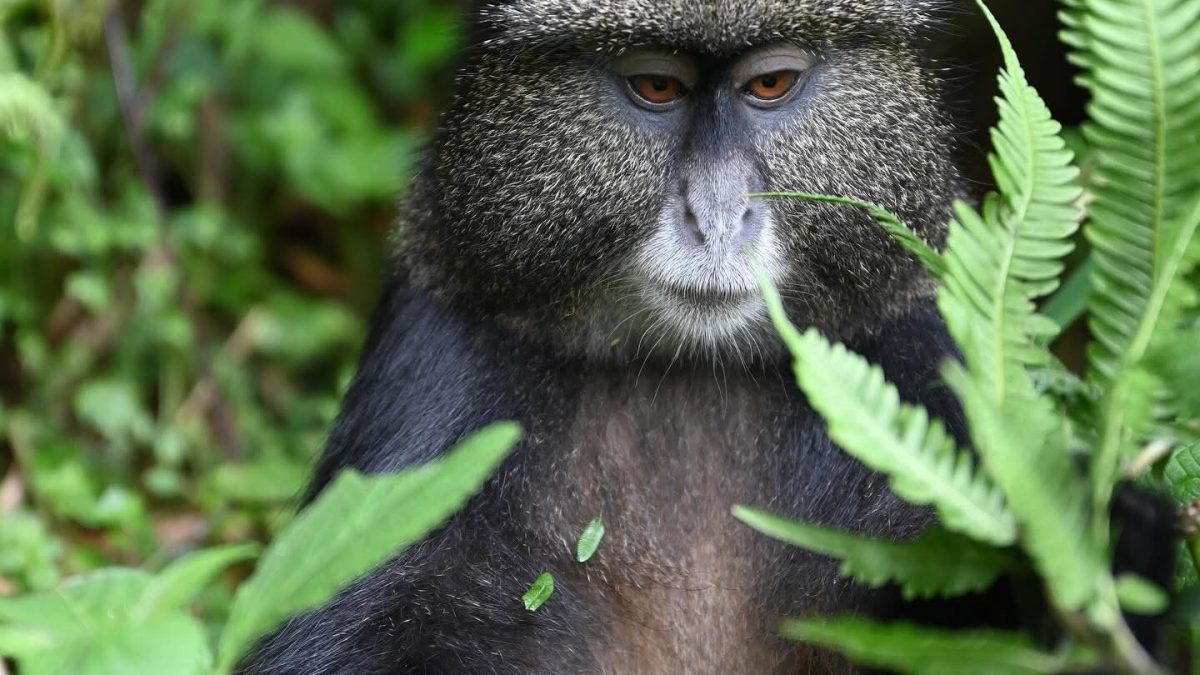
Jozani Forest, also known as Jozani Chwaka Bay National Park, is the only national park in Zanzibar, Tanzania. It is situated on the main island of Unguja and covers approximately 50 square kilometers (19 square miles).
The forest is famous for its rare red colobus monkeys, biodiversity and unique ecosystems, making it a popular destination for nature lovers and eco-tourists.
Jozani Forest is the only place in the world where you can find the endangered red colobus monkey. We offer well-maintained paths and visitor facilities to ensure a comfortable and enjoyable visit for people of all ages. Beyond the Red Colobus Monkey, Jozani Forest is a haven for a wide range of flora and fauna, butterflies, and over 40 species of birds. Our expert guides provide in-depth tours, sharing their extensive knowledge about the forest’s unique ecosystem, allowing visitors to connect deeply with nature.
Jozani Forest Adventure: Unveiling Hidden Gems (Mid-Length Tour)
Calling all nature enthusiasts! Embark on a thrilling adventure deep into the heart of Jozani Forest with our VIP Mid-Length Tour. Imagine yourself surrounded by lush greenery, sunlight dappling the forest floor, and the chance to encounter a rare Red Colobus monkey in the depths of the trees.
Unforgettable Encounters:
- Animal Encounters: Look out for a variety of fascinating creatures, including the possibility of spotting a rare Red Colobus monkey in the deep canopy! You might also encounter playful Red Colobus monkeys (more common), shy Eastern Boubous, Chameleon agile mongoose, and even the nocturnal bush baby in their natural habitat.
- Beyond the Beaten Path: Explore hidden secrets and unique plants seldom seen by tourists.
- Shy & Special: Keep your eyes peeled, you might encounter some of the forest’s more elusive animals, like the elephant shrew!
- Local Knowledge: Immerse yourself in the forest’s stories with a dedicated local guide who will share their knowledge.
Nature’s Healing Touch:
- Medicinal Marvels: Discover the secrets of Zanzibar’s traditional medicine as you learn about fascinating plants with healing properties.
- Perfect for Nature Enthusiasts: This tour is specially crafted for those curious about the power of nature and its role in well-being.
Jozani Forest is conveniently located about 38 km southeast of Stone Town. You can easily reach it by car or taxi and if you need transfer, Jozani Forest has Transportations vehicles for additional prices. The journey takes approximately 40 minutes, making it a perfect day trip destination.
When to Visit:
The best time to visit Jozani Forest is during the dry season, from June to October. During this period, the weather is pleasant, and the forest trails are easier to navigate. However, the forest is open year-round, and each season offers a different experience.
What to Expect:
- Guided Tours: Upon arrival, you’ll be greeted by knowledgeable guides who will lead you through the forest. These guides are well-versed in the local flora and fauna and provide fascinating insights into the ecosystem.
- Red Colobus Monkeys: One of the main highlights of the tour is spotting the Red Colobus Monkeys. These curious and friendly creatures often come quite close, offering great photo opportunities.
- Mangrove Boardwalk: Don’t miss the mangrove boardwalk, a wooden path that winds through the mangrove swamp. This part of the tour provides a unique perspective on this critical habitat.
Tips for Visitors:
- Wear Comfortable Shoes: The forest trails can be uneven, so sturdy walking shoes are a must.
- Bring Water and Snacks: Although the tour is not overly strenuous, it’s a good idea to stay hydrated and carry some snacks.
- Insect Repellent: As with any forested area, mosquitoes can be a nuisance. Insect repellent will help keep them at bay.
- Camera: The wildlife and scenery are incredibly photogenic, so don’t forget your camera to capture the memories.
Traditional Practices
- Sacred Groves: Certain areas within the forest are considered sacred and are used for traditional rituals and ceremonies. These groves are often protected by local customs and are seen as vital for maintaining spiritual harmony.
- Sustainable Use: Historically, the communities living around Jozani have used the forest resources sustainably. Practices such as selective harvesting of medicinal plants and responsible hunting have allowed the forest to thrive while supporting the local population.
Environmental Importance
- Biodiversity Hotspot: Jozani Forest is a biodiversity hotspot, home to numerous endemic and endangered species. The forest plays a crucial role in maintaining the ecological balance of the region.
- Carbon Sequestration: The dense vegetation of Jozani Forest acts as a significant carbon sink, helping to mitigate the effects of climate change. The mangroves are highly efficient at storing carbon.
- Water Regulation: The forest’s ecosystem helps regulate water flow, preventing soil erosion and maintaining water quality. This is essential for agricultural activities in the surrounding areas.
Conservation Efforts
Recognizing its ecological and cultural value, numerous conservation efforts are underway to protect Jozani Forest. The establishment of the Jozani Chwaka Bay National Park has been a significant step in safeguarding the area. Local and international organizations are also involved in research and conservation projects aimed at preserving the forest’s unique biodiversity.
Community Involvement
Local communities play a crucial role in the conservation efforts. Through eco-tourism initiatives, they can generate income while promoting sustainable use of the forest. Educational programs have also been implemented to raise awareness about the importance of conservation and to train local guides.