
Rwanda is a landlocked country situated in central Africa. Also known as ’The Land of a Thousand Hills’, Rwanda has five volcanoes, 23 lakes and numerous rivers, some forming the source of the River Nile. The country lies 75 miles south of the equator in the Tropic of Capricorn, 880 miles ’as the crow flies’ west of the Indian Ocean and 1,250 miles east of the Atlantic Ocean - literally in the heart of Africa. The Altitude ranges from 950m to 4500m above sea level.
- 1. ABOUT RWANDA
- 2. RWANDAN DESTINATIONS
- 3. RWANA ITINERARIES
- 4. GORILLA TREKING
- 5. THE GORILLA FAMILY
- 6. THE RWANDA GENOCIDE
1. ABOUT RWANDA
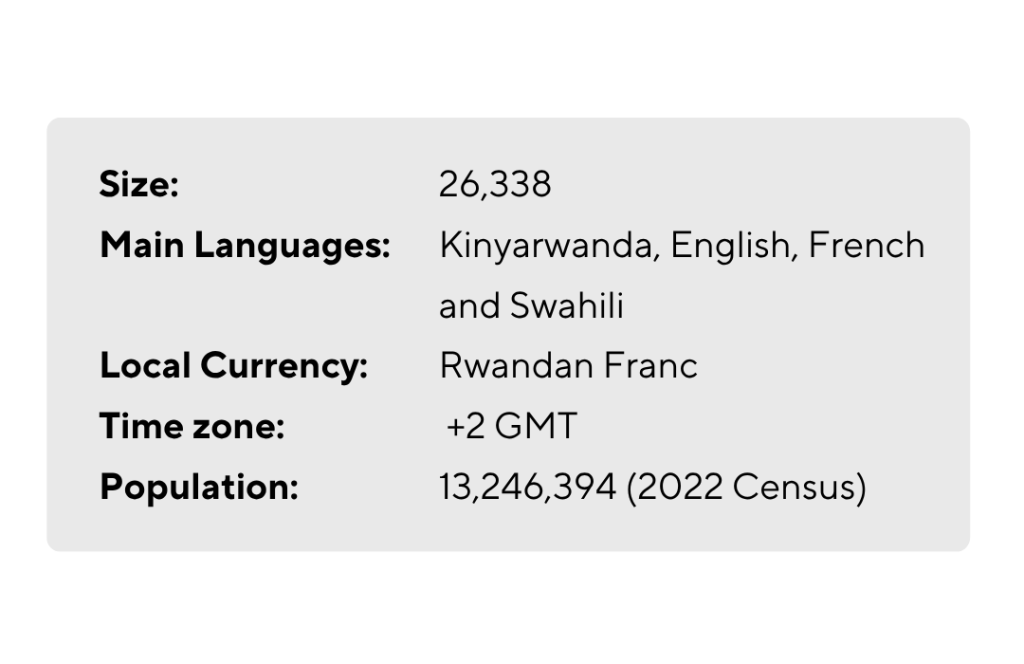
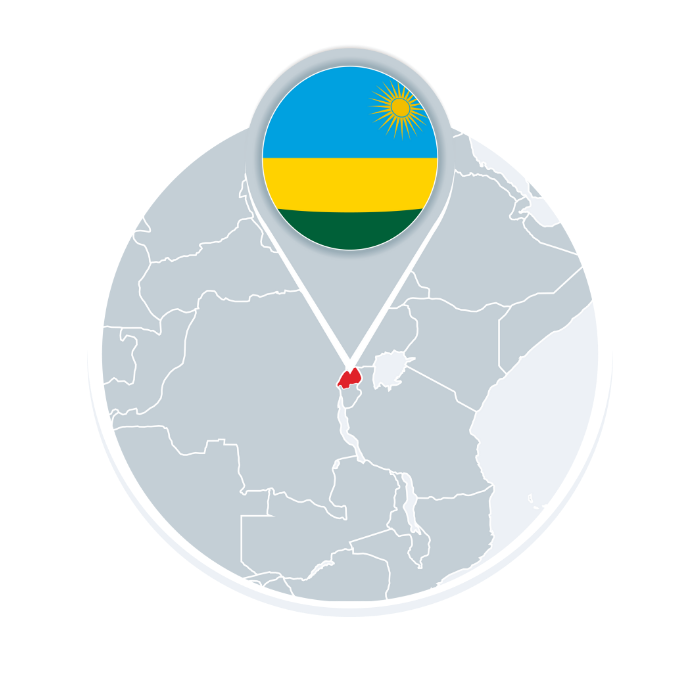
Rwanda is bordered by Uganda to the north, Tanzania to the east, Burundi to the south and the Democratic Republic of Congo to the west.
Rwanda has two rainy seasons, March – May and October – November, with an average rainfall of 110-200 mm per month.
The average Temperature ranges from 24.6 to 27.6ºc, with the Hottest months being August, and September.
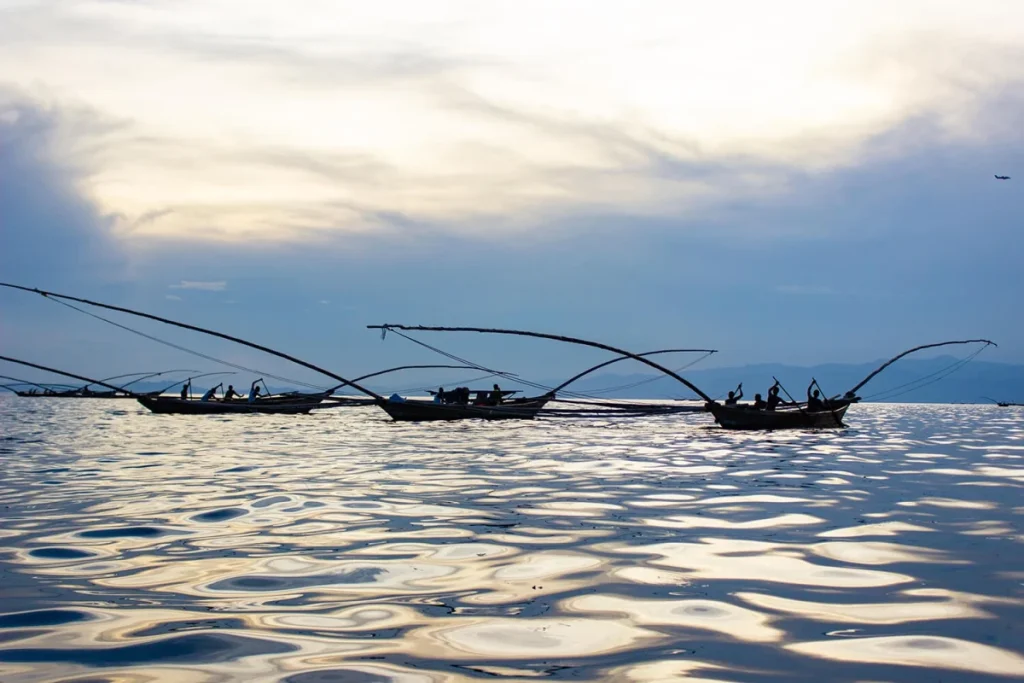
The Main water bodies are Lake Kivu, Lake Muhazi, Lake Ihema, Lake Bulera, Lake Ruhondo, Lake Mugesera.
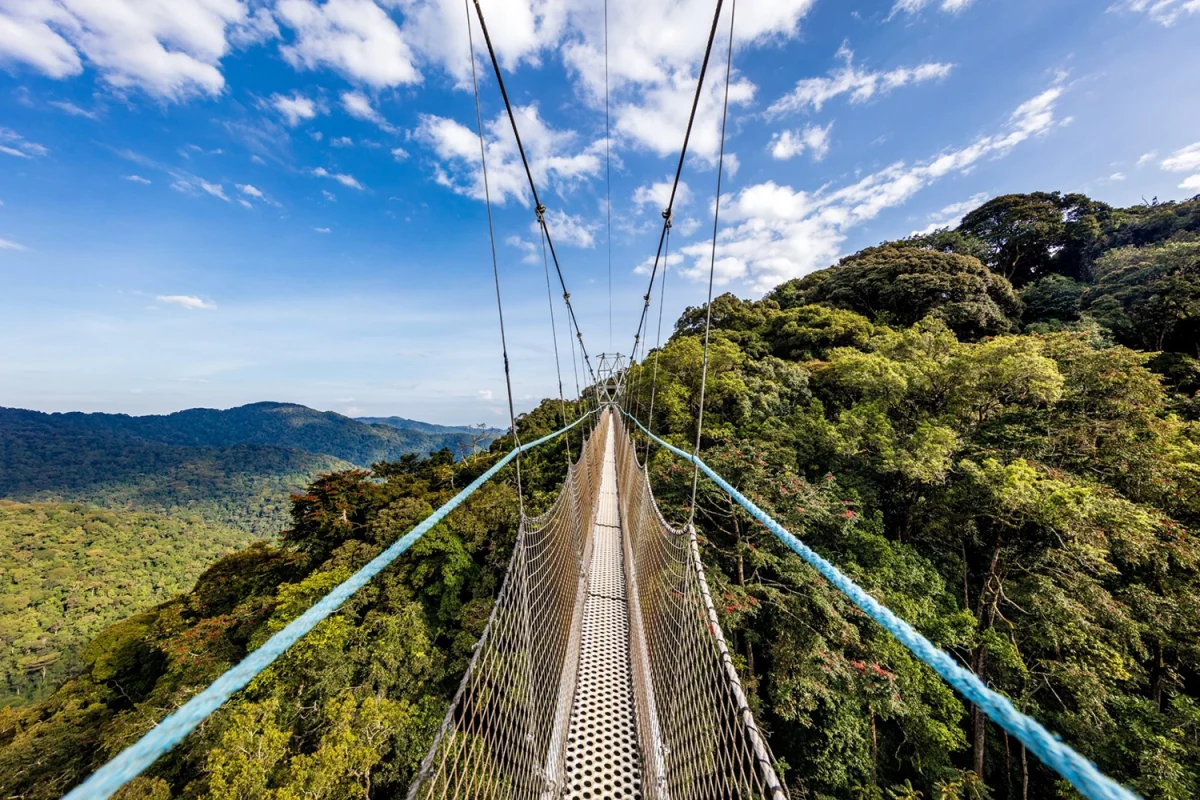
Rwanda’s Vegetation ranges from dense equatorial forest in the north-west of the country to tropical savannah in the east.
Main National Parks/Animal Reserves are Akagera, Volcanoes and Gishwati-Mukura National Parks.
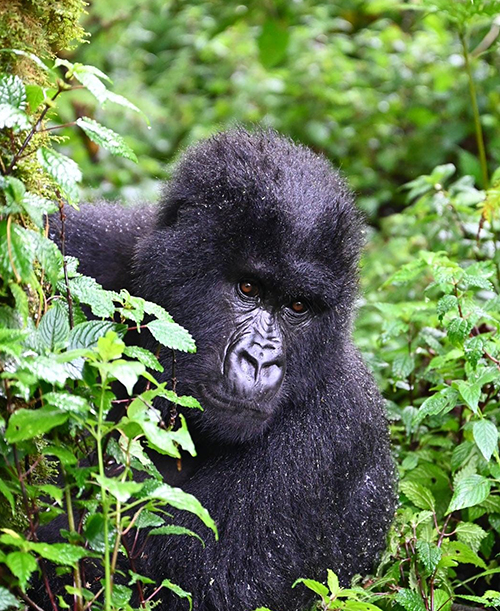
In Rwanda the great animals of the wild are protected from poachers and roam free in the vast national parks. The Volcanoes National Park in the Virunga volcanic mountains with its high-altitude forests is world famous for mountain gorillas – timid and passive family-oriented giants. The Park is teeming with wildlife both large and small, while Lake Kivu to the west offers beautiful beaches, jutting peninsulas and an archipelago of islands.
For centuries, Rwanda existed as a centralized monarchy under a succession of kings from one clan, who ruled through cattle chiefs, land chiefs and military chiefs. The king was supreme but the rest of the population, Hutu, Tutsi and Twa, lived in symbiotic harmony. In 1899, Rwanda became a German colony and in 1919, the system of indirect rule continued with Rwanda as a mandate territory of the League of Nations, under Belgium.
From 1959, Tutsi were targeted, causing thousands of deaths and sending many of them into exile. The First Republic, under President Gregoire Kayibanda, and the second, under President Juvenal Habyarimana, institutionalized discrimination against Batusi.
The Rwandese Alliance for National Unity (RANU) was formed in 1979 by Rwandan refugees in exile, to mobilize against divisive politics and genocide ideology, repeated massacres, statelessness and the lack of peaceful political exchange. In 1987, RANU became the Rwandese Patriotic Front (RPF-Inkotanyi).
On 1 October 1990, the RPF launched an armed liberation struggle that ultimately ousted the genocidal regime in 1994 and ended the genocide in which more than one million Tutsi were killed.
After Kigali fell to RPA (RPF’s armed wing) on 4 July 1994, RPF formed a Government of National Unity headed by President Pasteur Bizimungu, bringing parties that did not participate in the genocide together. In 2000, Parliament voted out President Pasteur Bizimungu and RPF appointed then Vice-President and Minister of Defense, Major General Paul Kagame as the President of the Republic to lead the coalition government.
In 2003 President Paul Kagame was elected with landslide majority to serve a term of seven years. During those seven years, the country made unprecedented socio-economic and political progress and consolidated peace, stability as well as social cohesion among Rwandans. In 2010 and 2017, President Paul Kagame was re-elected to serve the second and third term respectively, on a platform of rapid development for the transformation of the lives of all Rwandans.
In 2024, President Paul Kagame was re-elected again with another landslide to lead Rwanda.
2. RWANDAN DESTINATIONS

3. RWANA ITINERARIES
Gorilla Trecking
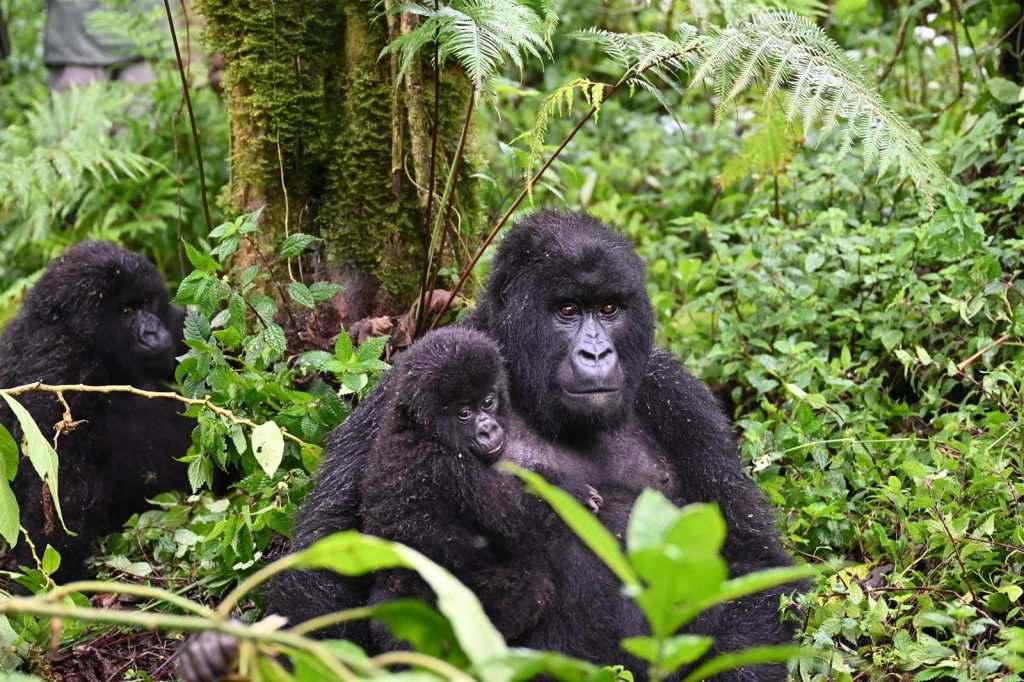
The unique opportunity to see gorillas in their natural habitat is unforgettable, some even say life changing. Encounters with gorillas as they go about their daily lives are carefully managed, with expert trackers and guides leading small groups of tourists up bamboo-covered slopes to spend a precious and awe-inspiring hour just a few feet away from the gentle creatures.
The largest living primate, gorillas are spread across much of the equatorial African rainforest. Broadly speaking, the species is split into lowland gorillas and mountain gorillas.
The volcanic range which spans Rwanda, Uganda and the Democratic Republic of the Congo is home to the endangered mountain gorilla. Tracking gorillas in Rwanda is safe and relatively accessible.
At the latest count, there are approximately 1,000 mountain gorillas in the wild, with 604 in the Virunga Massif. The population is slowly increasing, thanks to concerted efforts between our governments, communities and NGOs.
There are twelve gorilla families living in the Volcanoes National Park, which are fully habituated, with a few others habituated solely for scientific research. The groups, or troops, consist of at least one silverback along with several females and youngsters.
Eight tracking permits are issued per troop per day, meaning the encounter is as intimate and as unobtrusive as possible. With only 96 permits available each day in Rwanda, it is highly recommended to book in advance.
Visitors gather at the Volcanoes National Park headquarters in Kinigi at 7am and are allocated a family group on the day according to fitness levels, as well as being briefed on protocols and rules for visiting the gorillas.
The families are known as Susa, Igisha, Karisimbi, Sabyinyo, Amahoro, Agashya, Kwitonda, Umubano, Hirwa, Bwenge, Ugyenda and Muhoza.
Hikes up to their various locations can last anything from 30 minutes to four or more hours, reaching an altitude of between 2,500m and 4,000m. Porters are available to carry backpacks and cameras, as well as to offer a helping hand along the route.
10% of the revenue from the permits is channeled towards local communities, to build schools and health centers, as well as roads. There is a compensation fund for local farmers should any gorillas damage their crops, which helps to ensure peaceful co-existence.
Gorilla tracking also provides employment for many locals, from rangers and trackers to porters, drivers and staff at tourist lodges.
For those interested in tracing the footsteps of Dian Fossey, her tomb is a 30-minute drive from the park headquarters and then two- or three-hours hike through the forest, to above 3,000m altitude.
The annual “Kwita Izina” is a special time to visit the Volcanoes National Park, with guided tours leading up the main event providing an opportunity to meet park staff and conservationists, attend cultural evenings and a celebration in Musanze.
5. THE GORILLA FAMILY
There are currently twelve (12) gorilla families that can be visited in Rwanda. However, there are currently a total of 23 families in the country.
There is an annual cultural event and naming ceremony conducted by the government of Rwanda. The ceremony is an annual naming ceremony for all the mountain gorillas born in the year. The ceremony known as “Kwita Izina” which is ideally a “Gorilla naming ceremony.
Visiting Mountain Gorillas.
Of these Families stated above, only a maximum of eight (8) people are allowed to visit one family for a maximum duration of one (1) hour.
All the visits are accompanied by a resident guide alongside armed game rangers during the trek.
Due to the biological closeness to human beings, the mountain gorillas are likely to be infected by nearly all diseases that affect human beings including the airborne viral diseases. Therefore, it’s always recommended that all visitors should have their masks on and keep a reasonable distance while viewing these primates.
The minimum age to visit the Mountain gorillas is fifteen (15) years.
6. THE RWANDA GENOCIDE
Over one million Rwandans were brutally killed in 100 days during the 1994 Genocide Against the Tutsi. The worst Genocide of the 20th century was prepared and implemented by the genocidal regime which trained Interahamwe militia and extremist Hutus to kill Tutsis and Hutus opposed to the killing using machetes, clubs, spears and other traditional weapons, with the full support of government security forces. Some of the victims were abandoned in the hands of the killers by the United Nations Peace Keeping forces, demonstrating a failure of the international community despite the “Never Again” pledge adopted in 1945.
Rwandans commemorate the 1994 Genocide Against the Tutsi on April 7 which was also adopted by the United Nations as the International Day of Reflection on the Genocide Against the Tutsi. The commemoration (also known in Kinyarwanda as Kwibuka) provides an important opportunity to remember the victims of the genocide, preserve its evidence and educate about its history as well as the lessons that Rwanda has learned. In Rwanda, commemoration activities run until July 4 when the Rwanda Patriotic Army stopped the genocide and liberated the country.
Genocide is never spontaneous. It is an intentional act of multiple murders, aimed at destroying the presence of the victim group. Its perpetrators do not respect age, gender, occupation, religion or status. Not every act of genocidal violence results in genocide itself. Different types of crises have different names, such as politicide (murder of political groups) and ethnocide (murder of ethnic groups). This does not imply that one is ’better’ or ’worse’ than the other, but that they are different in either motivation or outcome. Whatever the term used; victims of mass murder feel, often with good reason, that they have suffered a genocidal attempt on their lives.
The exhibition at the Kigali Memorial Centre introduces several genocides and genocidal-type situations. It does not give examples of all genocidal massacres because of limited space. It can only illustrate a few examples, representing a tragic cross-section of a century of genocide.
HEALTH GUIDELINES
COVID-19 COUNTRY ENTRY REQUIREMENTS & TRAVEL ADVISORIES
Kenya currently has no COVID-19 vaccination or testing requirements for entry for U.S. and Canadian residents. Visit the U.S. Department of State at travel.state.gov or the Government of Canada at travel.gc.ca/travelling/advisories for up-to-date information and travel advisories. All requirements are subject to change.
Travelers may be subject to medical screening on arrival, including a temperature check, questionnaire, and visual assessment.
YELLOW FEVER VACCINATION & MALARIA PREVENTION.
A yellow fever vaccination is only required to enter Tanzania if you are arriving from, or has transited through, a yellow fever-endemic area in South America or Africa – including East African countries such as Kenya and Uganda.
This means that if your itinerary includes visits to both Kenya and Tanzania, you may be asked to show proof of yellow fever vaccination when entering either country. The CDC and WHO each provide a current list of all affected countries.
If vaccination for yellow fever is necessary, you must carry an International Certificate of Vaccination provided by your physician; you may be denied entry without it.
Please Note:
If your physician advises against receiving the vaccination because of your personal medical history, he or she can provide you with the necessary documentation for the country/countries you are visiting.
Regarding the Malaria vaccination, we strongly advise that you speak with your doctor or travel clinic regarding your itinerary, individual risk assessment and options for mosquito bite prevention and antimalarial drugs. We recommend filling in any prescriptions before you depart.