Officially known as the United Republic of Tanzania or as referred to in Swahili, Jamhuri ya Muungano wa Tanzania. The country is in East Africa within the African Great Lakes region. It borders Uganda to the north; Kenya to the northeast; the Indian Ocean to the east; Mozambique and Malawi to the south; Zambia to the southwest; and Rwanda, Burundi, and the Democratic Republic of the Congo to the west.
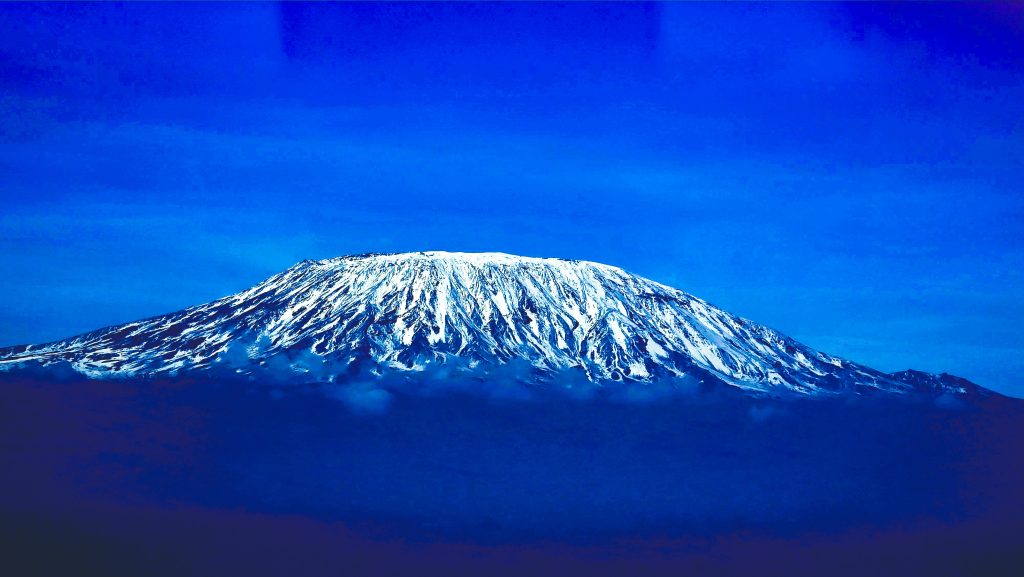
Mount Kilimanjaro, Africa's highest mountain, is in northeastern Tanzania.
1. aBOUT tANZANIA
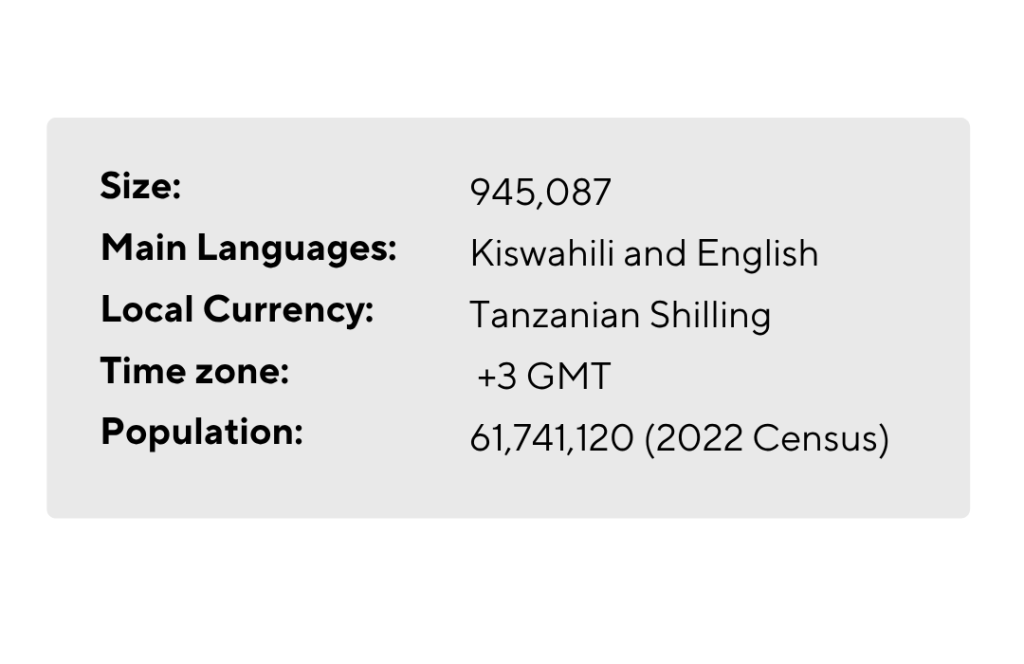
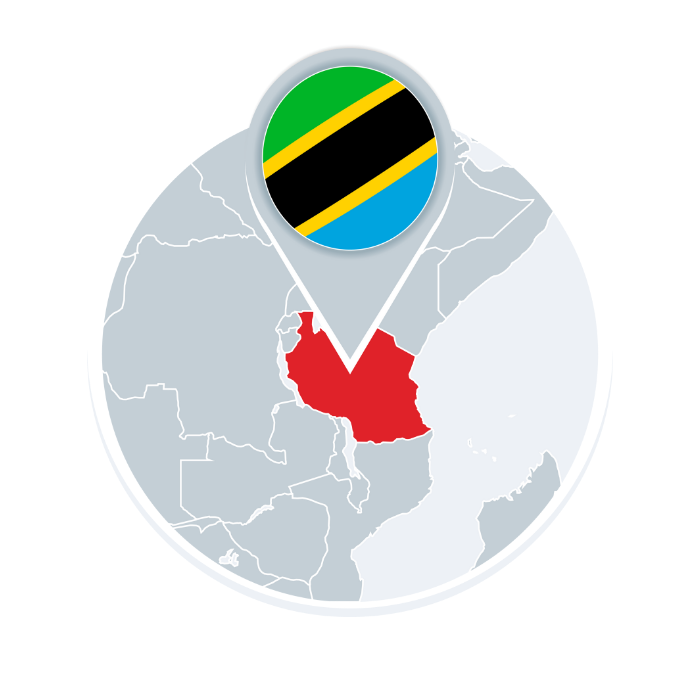
Officially known as the United Republic of Tanzania or as referred to in Swahili, Jamhuri ya Muungano wa Tanzania. The country is in East Africa within the African Great Lakes region. It borders Uganda to the north; Kenya to the northeast; the Indian Ocean to the east; Mozambique and Malawi to the south; Zambia to the southwest; and Rwanda, Burundi, and the Democratic Republic of the Congo to the west.
Mount Kilimanjaro, Africa’s highest mountain, is in northeastern Tanzania. According to the 2022 national census, Tanzania has a population of nearly 62 million, making it the most populous country located entirely south of the equator.
Many important hominid fossils have been found in Tanzania, such as 6-million-year-old Pliocene hominid fossils. In the Stone and Bronze Age, prehistoric migrations into Tanzania included Southern Cushitic speakers who moved south from present-day Ethiopia; Eastern Cushitic people who moved into Tanzania from north of Lake Turkana about 2,000 and 4,000 years ago; and the Southern Nilotes, including the Datoog, who originated from the present-day South Sudan–Ethiopia border region between 2,900 and 2,400 years ago. These movements took place at about the same time as the settlement of the Mashariki Bantu from West Africa in the Lake Victoria and Lake Tanganyika areas.
In the late 19th century, the mainland came under German rule as German East Africa, and this was followed by British rule after World War I when it was governed as Tanganyika, with the Zanzibar Archipelago remaining a separate colonial jurisdiction. Following their respective independence in 1961 and 1963, the two entities merged in 1964 to form the United Republic of Tanzania. Tanganyika joined the British Commonwealth and Tanzania remains a member of the Commonwealth as a unified republic
Today the country is a presidential constitutional republic with the federal capital located in Dodoma. the former capital, Dar es Salaam, retains most government offices and is the country’s largest city, principal port, and leading commercial center. Tanzania is a de facto one-party state with the democratic socialist Chama Cha Mapinduzi party in power.
The country has not experienced major internal strife since independence and is seen as one of the safest and most politically stable on the continent. Tanzania’s population comprises about 120 ethnic, linguistic, and religious groups. Christianity is the largest religion in Tanzania, with substantial Muslim and Animist minorities. Over 100 languages are spoken in Tanzania, making it the most linguistically diverse country in East Africa the country does not have a de jure official language, although the national language is Swahili. English is used in foreign trade, in diplomacy, in higher courts, and as a medium of instruction in secondary and higher education, while Arabic is spoken in Zanzibar.
Tanzania is mountainous and densely forested in the north-east, where Mount Kilimanjaro is located. Three of Africa’s Great Lakes are partly within Tanzania. To the north and west lie Lake Victoria, Africa’s largest lake, and Lake Tanganyika, the continent’s deepest lake, known for its unique species of fish. To the south lies Lake Malawi. The eastern shore is hot and humid, with the Zanzibar Archipelago just offshore. The Menai Bay Conservation Area is Zanzibar’s largest marine protected area. The Kalambo Falls, located on the Kalambo River at the Zambian border, is the second-highest uninterrupted waterfall in Africa. Tanzania is one of the most visited tourist destinations for safaris.
The name “Tanzania” was created as a clipped compound of the names of the two states that unified to create the country: Tanganyika and Zanzibar. It consists of the first three letters of the names of the two states (“Tan” and “Zan”) and the suffix, “ia” to form Tanzania.
The name “Tanganyika” is derived from the Swahili words tanga (“sail”) and nyika (“uninhabited plain”, “wilderness”), creating the phrase “sail in the wilderness”. It is sometimes understood as a reference to Lake Tanganyika.
The name of Zanzibar comes from “zenji”, the name for a local people (said to mean “black”), and the Arabic word “barr”, which means coast or shore.
Tanzania is one of the oldest continuously inhabited areas on Earth.
Traces of fossil remains of humans and hominids date back to the Quaternary era. The Olduvai Gorge, in the Ngorongoro Conservation Area, a UNESCO World Heritage Site, features a collection with remnants of tools that document the development and use of transitional technology.
The indigenous populations of eastern Africa are thought to be the linguistically isolated Hadza and Sandawe hunter-gatherers of Tanzania.
The first wave of migration was by Southern Cushitic speakers who moved south from Ethiopia and Somalia into Tanzania. They are ancestral to the Iraqw, Gorowa, and Burunge. Based on linguistic evidence, there may also have been two movements into Tanzania of Eastern Cushitic people at about 4,000 and 2,000 years ago, originating from north of Lake Turkana.
Archaeological evidence supports the conclusion that Southern Nilotes, including the Datoog, moved south from the present-day South Sudan / Ethiopia border region into central northern Tanzania between 2,900 and 2,400 years ago.
These movements took place at approximately the same time as the settlement of the iron-making Mashariki Bantu from West Africa in the Lake Victoria and Lake Tanganyika areas. They brought with them the west African planting tradition and the primary staple of yams. They subsequently migrated out of these regions across the rest of Tanzania between 2,300 and 1,700 years ago.
Eastern Nilotic peoples, including the Maasai, represent a more recent migration from present-day South Sudan within the past 500 to 1,500 years.
The people of Tanzania have been associated with the production of iron and steel. The Pare people were the main producers of sought-after iron for peoples who occupied the mountain regions of north-eastern Tanzania. The Haya people on the western shores of Lake Victoria invented a type of high-heat blast furnace, which allowed them to forge carbon steel at temperatures exceeding 1,820 °C (3,310 °F) more than 1,500 years ago.
Bantu-speakers built farming and trade villages along the Tanzanian coast from the outset of the first millennium. Archaeological finds at Fukuchani, on the north-west coast of Zanzibar, indicate a settled agricultural and fishing community from the 6th century CE at the latest. The considerable amount of daub found indicates timber buildings, and shell beads, bead grinders, and iron slag have been found at the site. There is evidence for limited engagement in long-distance trade: a small amount of imported pottery has been found, less than 1% of total pottery finds, mostly from the Gulf and dated to the 5th to 8th century. The similarity to contemporary sites such as Mkokotoni and Dar es Salaam indicate a unified group of communities that developed into the first centre of coastal maritime culture. The coastal towns appear to have been engaged in Indian Ocean and inland African trade at this early period. Trade rapidly increased in importance and quantity, beginning in the mid-8th century and by the close of the 10th century Zanzibar was one of the central Swahili trading towns.
Growth in Egyptian and Persian shipping from the Red Sea and the Persian Gulf revitalized Indian Ocean trade, particularly after the Fatimid Caliphate relocated to Fustat (Cairo). Swahili agriculturalists built increasingly dense settlements to tap into trade, these forming the earliest Swahili city-states. The Venda-Shona Kingdoms of Mapungubwe and Zimbabwe in South Africa and Zimbabwe, respectively, became a major producer of gold around this same period. Economic, social, and religious power was increasingly vested in Kilwa, Tanzania’s major medieval city-state. Kilwa controlled several smaller ports stretching down to modern-day Mozambique. Sofala became the major gold emporium and Kilwa grew rich off the trade, lying at the southern end of the Indian Ocean Monsoons. Kilwa’s major rivals lay to the north, in modern-day Kenya, namely Mombasa and Malindi. Kilwa remained the major power in East Africa until the arrival of the Portuguese at the end of the 15th century.
Claiming the coastal strip, Omani Sultan Said bin Sultan moved his capital to Zanzibar City in 1840. During this time, Zanzibar became the center for the east African slave trade. Between 65 and 90 per cent of the Arab-Swahili population of Zanzibar was enslaved. One of the most infamous slave traders on the East African coast was Tippu Tip, who was the grandson of an enslaved African. The Nyamwezi slave traders operated under the leadership of Msiri and Mirambo. According to Timothy Insoll, “Figures record the exporting of 718,000 slaves from the Swahili coast during the 19th century, and the retention of 769,000 on the coast.” In the 1890s, slavery was abolished.
In 1863, the Holy Ghost Mission established an early reception center and depot at Zanzibar. In 1877, responding to appeals of Henry Stanley following his trans-Africa expedition, and permission being given to Stanley by King Mutessa I of Buganda, the Church Missionary Society sent missionaries Edward Baxter and Henry Cole to establish inland missions. In 1885, Germany conquered the regions that are now Tanzania (minus Zanzibar) and incorporated them into German East Africa (GEA). The Supreme Council of the 1919 Paris Peace Conference awarded all of GEA to Britain on 7 May 1919, over the strenuous objections of Belgium. The British colonial secretary, Alfred Milner, and Belgium’s minister plenipotentiary to the conference, Pierre Orts [fr], then negotiated the Anglo-Belgian agreement of 30 May 1919 where Britain ceded the north-western GEA provinces of Ruanda and Urundi to Belgium. The conference’s Commission on Mandates ratified this agreement on 16 July 1919. The Supreme Council accepted the agreement on 7 August 1919. On 12 July 1919, the Commission on Mandates agreed that the small Kionga Triangle south of the Rovuma River would be given to Portuguese Mozambique, with it eventually becoming part of independent Mozambique. The commission reasoned that Germany had virtually forced Portugal to cede the triangle in 1894. The Treaty of Versailles was signed on 28 June 1919, although the treaty did not take effect until 10 January 1920. On that date, the GEA was transferred officially to Britain, Belgium, and Portugal. Also on that date, “Tanganyika” became the name of the British territory. In the mid-1920s, the British implemented a system of indirect rule in Tanzania.
The Maji-Maji rebellion, between 1905 and 1907, was an uprising of several African tribes in German East Africa against the colonial authorities, in particular because of forced labour and deportation of certain tribes. It was the subject of a bloody repression, which combined with famine caused 300 000 deaths among the population.
During World War II, about 100,000 people from Tanganyika joined the Allied forces and were among the 375,000 Africans who fought with those forces.
Tanganyika’s fought in units of the King’s African Rifles during the East African Campaign in Somalia and Abyssinia against the Italians, in Madagascar against the Vichy French during the Madagascar Campaign, and in Burma against the Japanese during the Burma Campaign. Tanganyika was an important source of food during this war, and its export income increased greatly compared to the pre-war years of the Great Depression Wartime demand, however, caused increased commodity prices and massive inflation within the colony.
In 1954, Julius Nyerere transformed an organization into the politically oriented Tanganyika African National Union (TANU). TANU’s main objective was to achieve national sovereignty for Tanganyika. A campaign to register new members was launched, and within a year, TANU had become the leading political organization in the country. Nyerere became Minister of British-administered Tanganyika in 1960 and continued as prime minister when Tanganyika became independent in 1961.
British rule came to an end on 9 December 1961. Elizabeth II, who had acceded to the British throne in 1952, continued to reign through the first year of Tanganyika’s independence, but now distinctly as Queen of Tanganyika, represented by the governor general. Tanganyika also joined the British Commonwealth in 1961 On 9 December 1962, Tanganyika became a democratic republic under an executive president.
After the Zanzibar Revolution overthrew the Arab dynasty in neighboring Zanzibar, accompanied with the slaughter of thousands of Arab Zanzibaris, which had become independent in 1963, the archipelago merged with mainland Tanganyika on 26 April 1964. The new country was then named the United Republic of Tanganyika and Zanzibar. On 29 October of the same year, the country was renamed the United Republic of Tanzania (“Tan” comes from Tanganyika and “Zan” from Zanzibar). The union of the two hitherto separate regions was controversial among many Zanzibaris (even those sympathetic to the revolution) but was accepted by both the Nyerere government and the Revolutionary Government of Zanzibar owing to shared political values and goals.
Following Tanganyika’s independence and unification with Zanzibar leading to the state of Tanzania, President Nyerere emphasized a need to construct a national identity for the citizens of the new country. To achieve this, Nyerere provided what is regarded as one of the most successful cases of ethnic repression and identity transformation in Africa. With more than 130 languages spoken within its territory, Tanzania is one of the most ethnically diverse countries in Africa. Despite this obstacle, ethnic divisions remained rare in Tanzania when compared to the rest of the continent, notably its immediate neighbors, Kenya. Furthermore, since its independence, Tanzania has displayed more political stability than most African countries, particularly due to Nyerere’s ethnic repression methods.
In 1967, Nyerere’s first presidency took a turn to the left after the Arusha Declaration, which codified a commitment to socialism as well as Pan-Africanism. After the declaration, banks and many large industries were nationalized.
Tanzania was also aligned with China, which from 1970 to 1975 financed and helped build the 1,860-kilometre-long (1,160 mi) TAZARA Railway from Dar es Salaam to Zambia Nonetheless, from the late 1970s, Tanzania’s economy took a turn for the worse, in the context of an international economic crisis affecting both developed and developing economies.
In 1978, the neighboring Uganda, under the leadership of Idi Amin, invaded Tanzania. This disastrous invasion would culminate in Tanzania invading Uganda with the aid of Ugandan rebels and deposing Idi Amin as a result. However, the war severely damaged Tanzania’s economy.
Through the 1980s, conservation oriented national parks such as Serengeti and Kilimanjaro, with Mount Kilimanjaro as the tallest freestanding summit on Earth, were included on the UNESCO World Heritage List.
From the mid-1980s, the regime financed itself by borrowing from the International Monetary Fund and underwent some reforms. Since then, Tanzania’s gross domestic product per capita has grown and poverty has been reduced, according to a report by the World Bank.
In 1992, the Constitution of Tanzania was amended to allow multiple political parties. In Tanzania’s first multi-party elections, held in 1995, the ruling Chama Cha Mapinduzi won 186 of the 232 elected seats in the National Assembly, and Benjamin Mkapa was elected as president.
The presidents of Tanzania since Independence have been Julius Nyerere 1962–1985, Ali Hassan Mwinyi 1985–1995, Benjamin Mkapa 1995–2005, Jakaya Kikwete 2005–2015, John Magufuli 2015–2021, and Samia Hassan Suluhu since 2021. After the long tenure of president Nyerere, the Constitution has a term limit: a president can serve a maximum of two terms. Each term is five years. Every president has represented the ruling party Chama cha Mapinduzi (CCM). President Magufuli won a landslide victory and re-election in October 2020. According to the opposition, the election was full of fraud and irregularities.
Geography
At 947,303 square kilometers (365,756 sq mi), Tanzania is the 13th largest country in Africa and the 31st largest in the world, ranked between the larger Egypt and smaller Nigeria. It borders Kenya and Uganda to the north; Rwanda, Burundi, and the Democratic Republic of the Congo to the west; and Zambia, Malawi, and Mozambique to the south. Tanzania is located on the eastern coast of Africa and has an Indian Ocean coastline approximately 1,424 kilometers (885 mi) long. It also incorporates several offshore islands, including Unguja (Zanzibar), Pemba, and Mafia. The country is the site of Africa’s highest and lowest points: Mount Kilimanjaro, at 5,895 meters (19,341 ft) above sea level, and the floor of Lake Tanganyika, at 1,471 meters (4,826 ft) below sea level, respectively.
Tanzania is mountainous and densely forested in the northeast, where Mount Kilimanjaro is located. Three of Africa’s Great Lakes are partly within Tanzania. To the north and west lie Lake Victoria, Africa’s largest lake, and Lake Tanganyika, the continent’s deepest lake, known for its unique species of fish. To the southwest lies Lake Nyasa. Central Tanzania is a large plateau, with plains and arable land. The eastern shore is hot and humid, with the Zanzibar Archipelago just offshore.
Kalambo Falls in the southwestern region of Rukwa is the second highest uninterrupted waterfall in Africa, and is located near the southeastern shore of Lake Tanganyika on the border with Zambia. The Menai Bay Conservation Area is Zanzibar’s largest marine protected area.
Climate varies greatly within Tanzania. In the highlands, temperatures range between 10 and 20 °C (50 and 68 °F) during cold and hot seasons respectively. The rest of the country has temperatures rarely falling lower than 20 °C (68 °F). The hottest period extends between November and February (25–31 °C or 77.0–87.8 °F) while the coldest period occurs between May and August (15–20 °C or 59–68 °F). Annual temperature is 20 °C (68.0 °F). The climate is cool in high mountainous regions.
Tanzania has two major rainfall periods: one is uni-modal (October–April) and the other is bi-modal (October–December and March–May). The former is experienced in southern, central, and western parts of the country, and the latter is found in the north from Lake Victoria extending east to the coast The bi-modal rainfall is caused by the seasonal migration of the Intertropical Convergence Zone.
Climate change in Tanzania is resulting in rising temperatures with a higher likelihood of intense rainfall events (resulting in flooding) and of dry spells (resulting in droughts) Climate change is already impacting the sectors in Tanzania of agriculture, water resources, health and energy. Sea level rise and changes in the quality of water are expected to impact fisheries and aquaculture.
Tanzania produced a National Adaptation Programs of Action (NAPAs) in 2007 as mandated by the United Nations Framework Convention on Climate Change. In 2012, Tanzania produced a National Climate Change Strategy in response to the growing concern of the negative impacts of climate change and climate variability on the country’s social, economic and physical environment.
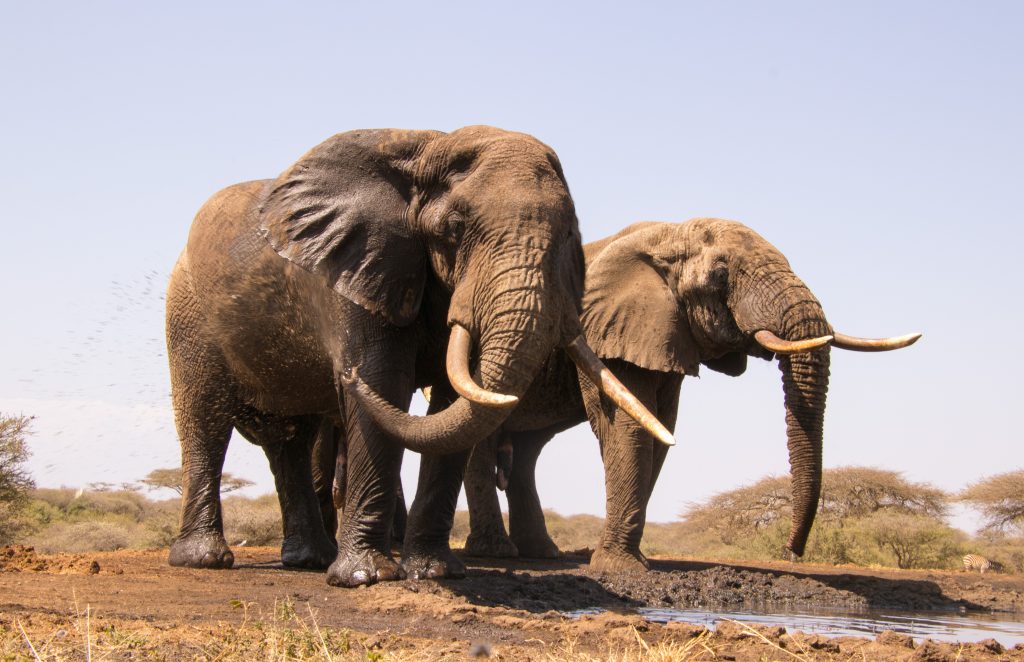
Tanzania contains around 20% of the species of Africa’s enormous warm-blooded animal populace, found over its 21 National parks, reserves, 1 conservation area, and 3 marine parks. Spread over a zone of more than 42,000 square kilometers (16,000 sq. mi) and shaping around 38% of the nation’s area.
Tanzania has 21 national parks, plus a variety of game and forest reserves, including the Ngorongoro Conservation Area, however there are so many people who live in Ngorongoro and try to affect the environment. In western Tanzania, Gombe Stream National Park is the site of Jane Goodall’s ongoing study of chimpanzee behavior, which started in 1960.
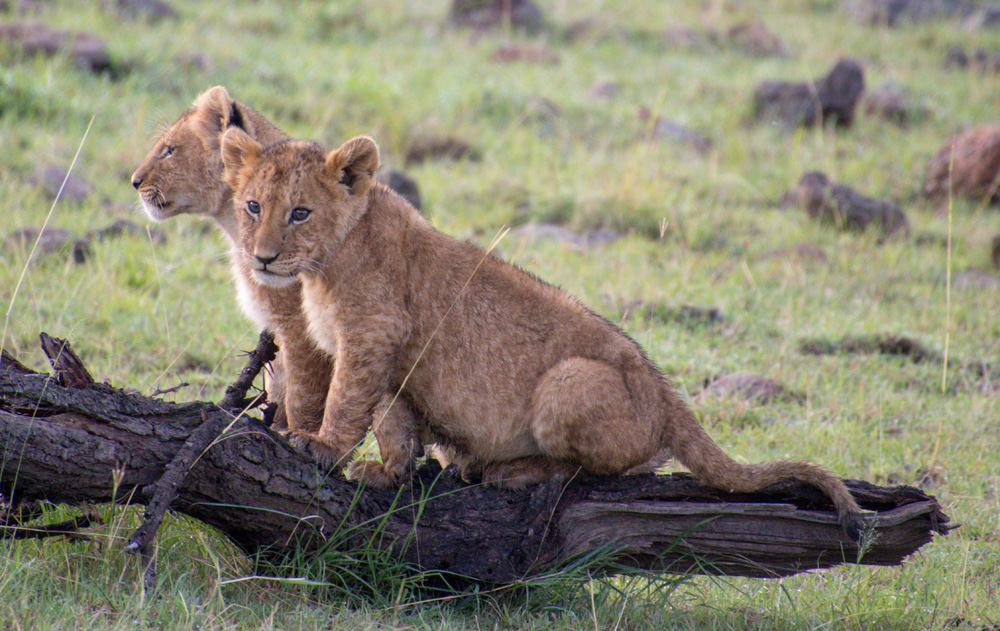
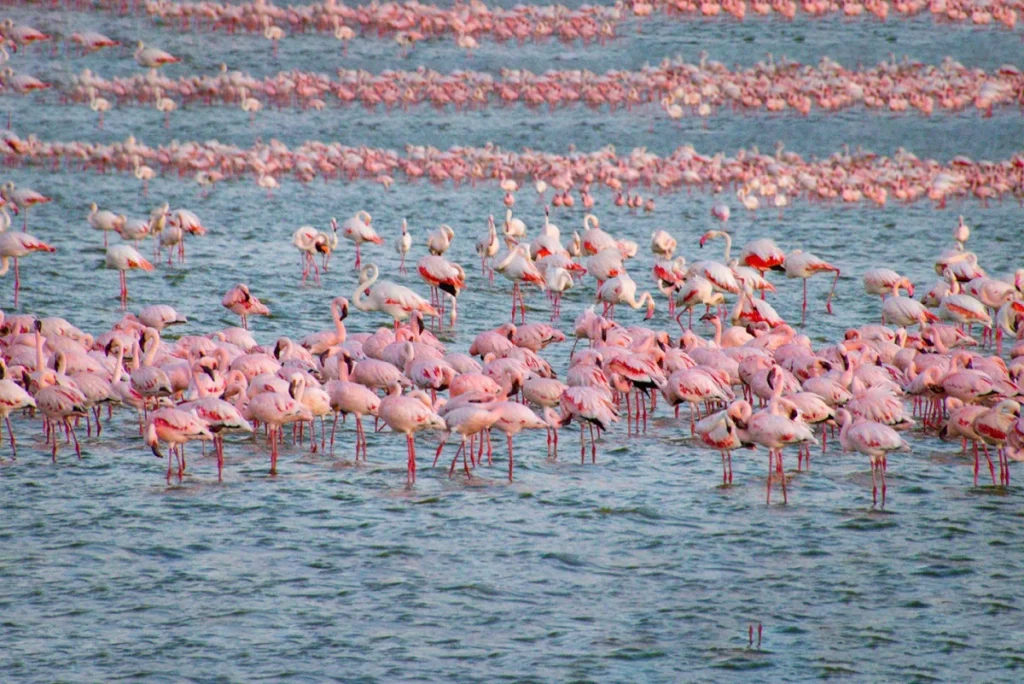
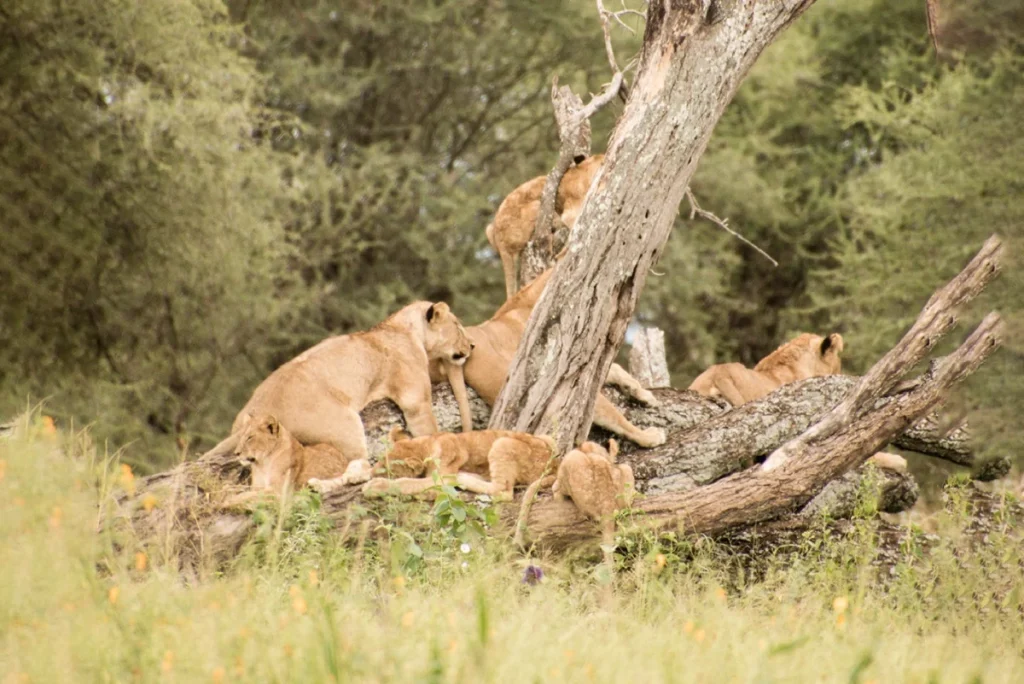
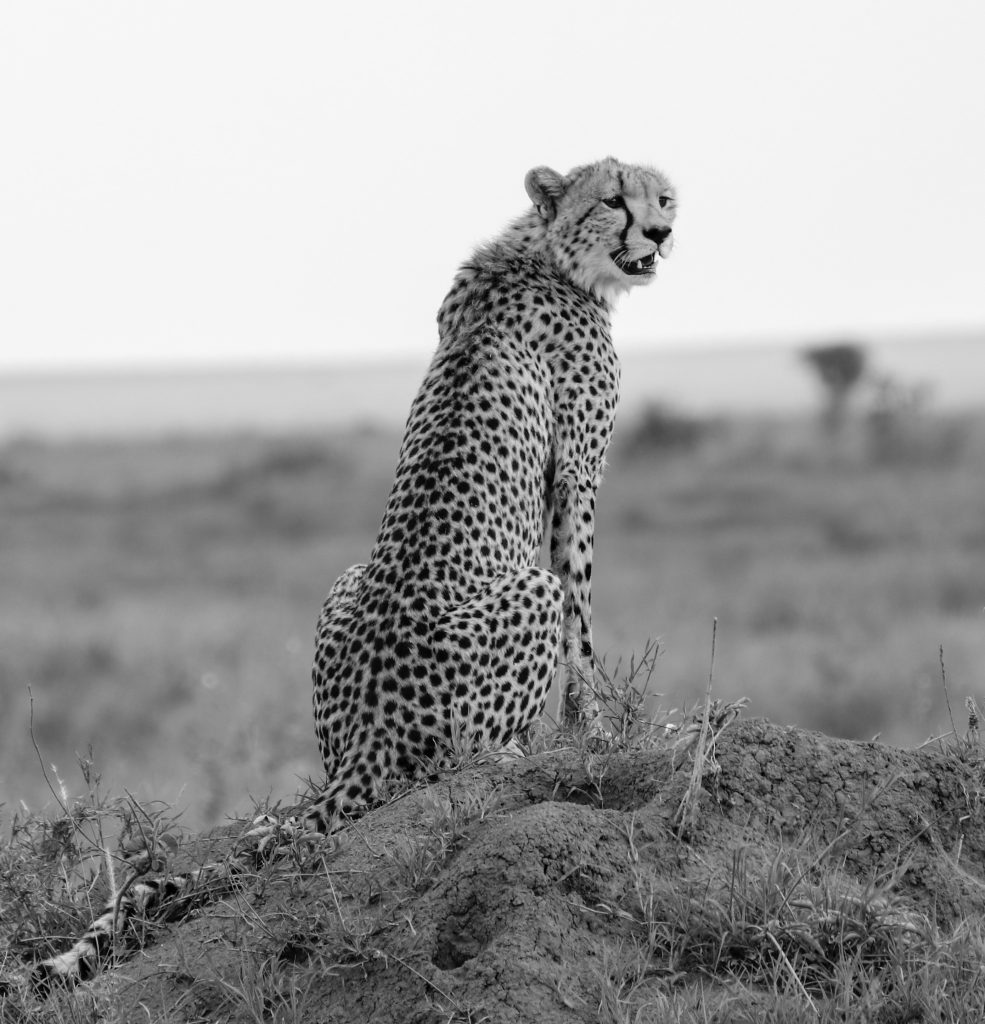
Tanzania is highly biodiverse and contains a wide variety of animal habitats. On Tanzania’s Serengeti plain, white-bearded wildebeest (Connochaetes taurinus mearnsi), other bovids and zebra participate in a large-scale annual migration. Tanzania is home to about 130 amphibian and over 275 reptile species, many of them strictly endemic and included in the International Union for Conservation of Nature’s Red Lists of countries. Tanzania has the largest lion population in the world.
Tanzania had a 2019 Forest Landscape Integrity Index mean score of 7.13/10, ranking it 54th globally out of 172 country.
At 947,303 square kilometers (365,756 sq mi), Tanzania is the 13th largest country in Africa and the 31st largest in the world, ranked between the larger Egypt and smaller Nigeria. It borders Kenya and Uganda to the north; Rwanda, Burundi, and the Democratic Republic of the Congo to the west; and Zambia, Malawi, and Mozambique to the south. Tanzania is located on the eastern coast of Africa and has an Indian Ocean coastline approximately 1,424 kilometers (885 mi) long. It also incorporates several offshore islands, including Unguja (Zanzibar), Pemba, and Mafia. The country is the site of Africa’s highest and lowest points: Mount Kilimanjaro, at 5,895 meters (19,341 ft) above sea level, and the floor of Lake Tanganyika, at 1,471 meters (4,826 ft) below sea level, respectively.
Tanzania is mountainous and densely forested in the northeast, where Mount Kilimanjaro is located. Three of Africa’s Great Lakes are partly within Tanzania. To the north and west lie Lake Victoria, Africa’s largest lake, and Lake Tanganyika, the continent’s deepest lake, known for its unique species of fish. To the southwest lies Lake Nyasa. Central Tanzania is a large plateau, with plains and arable land. The eastern shore is hot and humid, with the Zanzibar Archipelago just offshore.
Kalambo Falls in the southwestern region of Rukwa is the second highest uninterrupted waterfall in Africa, and is located near the southeastern shore of Lake Tanganyika on the border with Zambia. The Menai Bay Conservation Area is Zanzibar’s largest marine protected area.
Climate varies greatly within Tanzania. In the highlands, temperatures range between 10 and 20 °C (50 and 68 °F) during cold and hot seasons respectively. The rest of the country has temperatures rarely falling lower than 20 °C (68 °F). The hottest period extends between November and February (25–31 °C or 77.0–87.8 °F) while the coldest period occurs between May and August (15–20 °C or 59–68 °F). Annual temperature is 20 °C (68.0 °F). The climate is cool in high mountainous regions.
Tanzania has two major rainfall periods: one is uni-modal (October–April) and the other is bi-modal (October–December and March–May). The former is experienced in southern, central, and western parts of the country, and the latter is found in the north from Lake Victoria extending east to the coast The bi-modal rainfall is caused by the seasonal migration of the Intertropical Convergence Zone.
Climate change in Tanzania is resulting in rising temperatures with a higher likelihood of intense rainfall events (resulting in flooding) and of dry spells (resulting in droughts) Climate change is already impacting the sectors in Tanzania of agriculture, water resources, health and energy. Sea level rise and changes in the quality of water are expected to impact fisheries and aquaculture.
Tanzania produced a National Adaptation Programs of Action (NAPAs) in 2007 as mandated by the United Nations Framework Convention on Climate Change. In 2012, Tanzania produced a National Climate Change Strategy in response to the growing concern of the negative impacts of climate change and climate variability on the country’s social, economic and physical environment.
Tanzania contains around 20% of the species of Africa’s enormous warm-blooded animal populace, found over its 21 National parks, reserves, 1 conservation area, and 3 marine parks. Spread over a zone of more than 42,000 square kilometers (16,000 sq. mi) and shaping around 38% of the nation’s area.
Tanzania has 21 national parks, plus a variety of game and forest reserves, including the Ngorongoro Conservation Area, however there are so many people who live in Ngorongoro and try to affect the environment. In western Tanzania, Gombe Stream National Park is the site of Jane Goodall’s ongoing study of chimpanzee behavior, which started in 1960.
Tanzania is highly biodiverse and contains a wide variety of animal habitats. On Tanzania’s Serengeti plain, white-bearded wildebeest (Connochaetes taurinus mearnsi), other bovids and zebra participate in a large-scale annual migration. Tanzania is home to about 130 amphibian and over 275 reptile species, many of them strictly endemic and included in the International Union for Conservation of Nature’s Red Lists of countries. Tanzania has the largest lion population in the world.
Tanzania had a 2019 Forest Landscape Integrity Index mean score of 7.13/10, ranking it 54th globally out of 172 country.
2. tanzanian DESTINATIONS



3. TANZANIAN ITINERARIES
HEALTH GUIDELINES
COVID-19 COUNTRY ENTRY REQUIREMENTS & TRAVEL ADVISORIES
Kenya currently has no COVID-19 vaccination or testing requirements for entry for U.S. and Canadian residents. Visit the U.S. Department of State at travel.state.gov or the Government of Canada at travel.gc.ca/travelling/advisories for up-to-date information and travel advisories. All requirements are subject to change.
Travelers may be subject to medical screening on arrival, including a temperature check, questionnaire, and visual assessment.
YELLOW FEVER VACCINATION & MALARIA PREVENTION.
A yellow fever vaccination is only required to enter Tanzania if you are arriving from, or has transited through, a yellow fever-endemic area in South America or Africa – including East African countries such as Kenya and Uganda.
This means that if your itinerary includes visits to both Kenya and Tanzania, you may be asked to show proof of yellow fever vaccination when entering either country. The CDC and WHO each provide a current list of all affected countries.
If vaccination for yellow fever is necessary, you must carry an International Certificate of Vaccination provided by your physician; you may be denied entry without it.
Please Note:
If your physician advises against receiving the vaccination because of your personal medical history, he or she can provide you with the necessary documentation for the country/countries you are visiting.
Regarding the Malaria vaccination, we strongly advise that you speak with your doctor or travel clinic regarding your itinerary, individual risk assessment and options for mosquito bite prevention and antimalarial drugs. We recommend filling in any prescriptions before you depart.